.png)


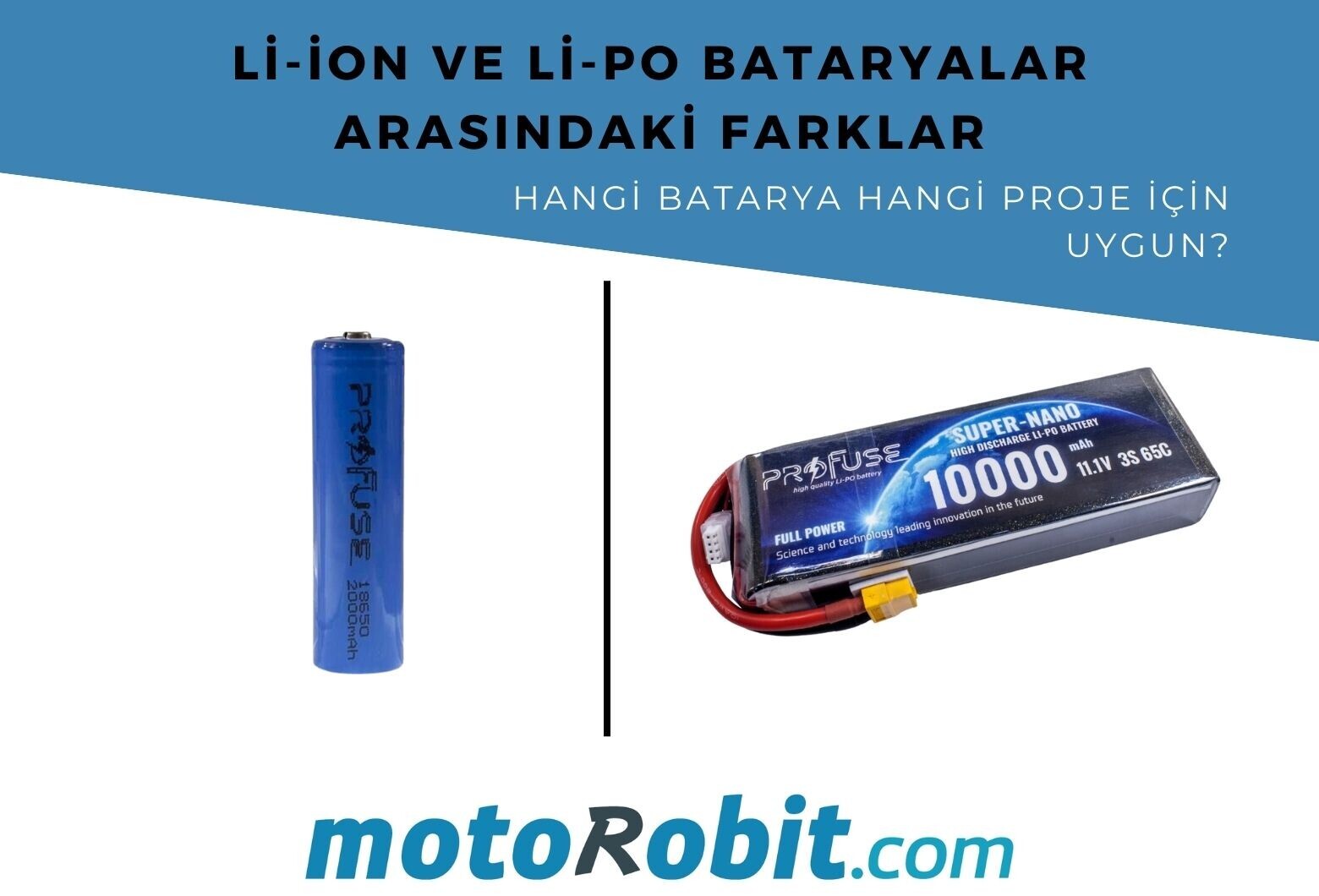
Differences Between Li-ion and Li-Po Batteries: Which Battery is Suitable for Which Project?
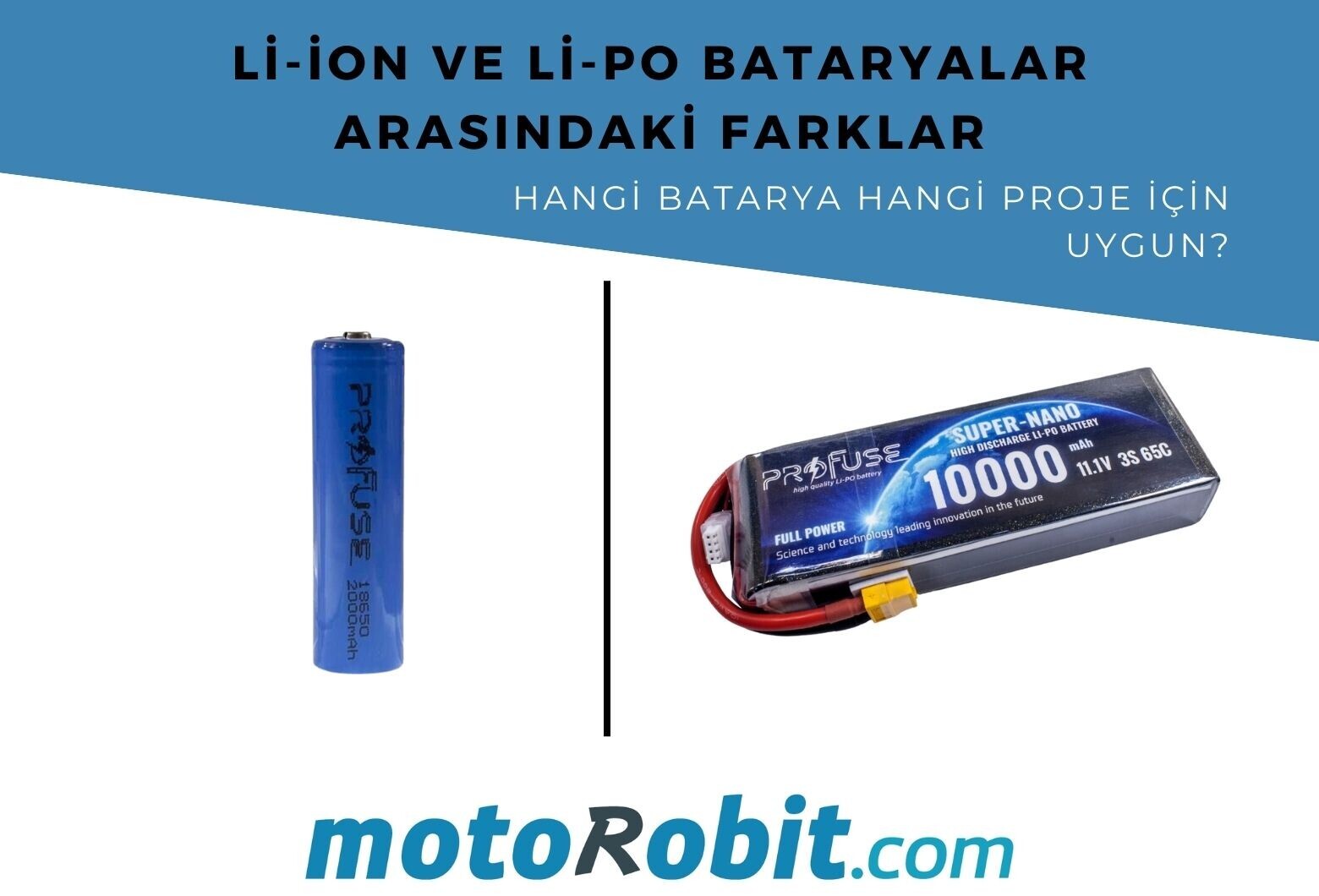
Selecting the right battery is one of the key factors that determines the performance of electronic projects, robotic applications, portable devices, and drone systems. Among the most preferred battery types on electronic component supply sites such as Motorobit are Li-ion (Lithium-Ion) and Li-Po (Lithium Polymer) models.
In this article, we examine the differences between Li-ion and Li-Po batteries in terms of structure, safety, current capacity, energy density, and usage areas in detail.
1. Structure and Chemical Properties
Li-ion Batteries
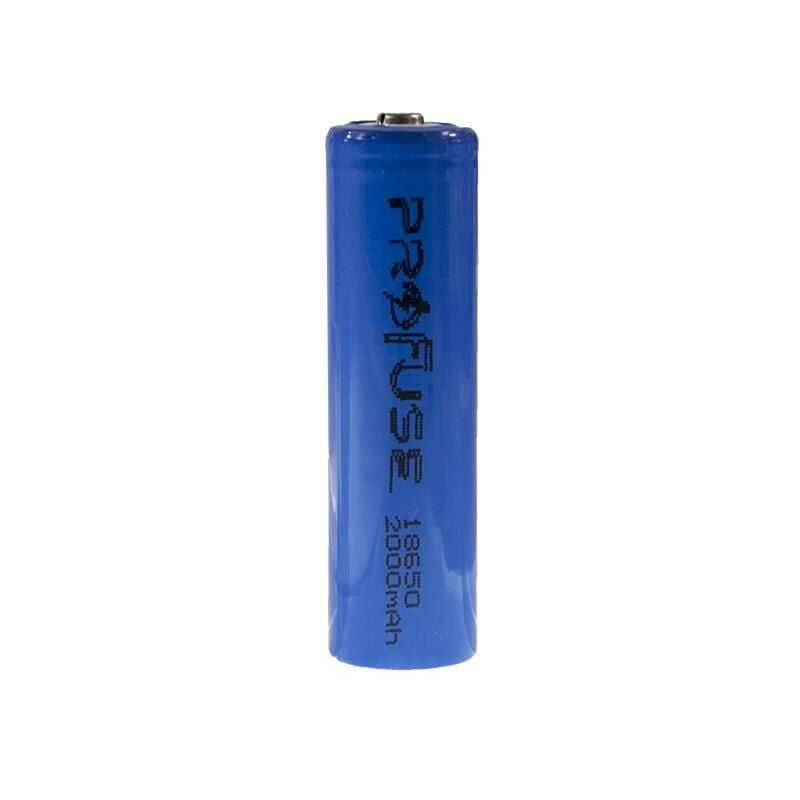
Li-ion batteries typically come in cylindrical 18650 or prismatic cell formats. They contain liquid electrolyte and are protected by a metal shell, making them durable. Since they are produced in standard sizes, they are widely used in industry.
Li-Po Batteries
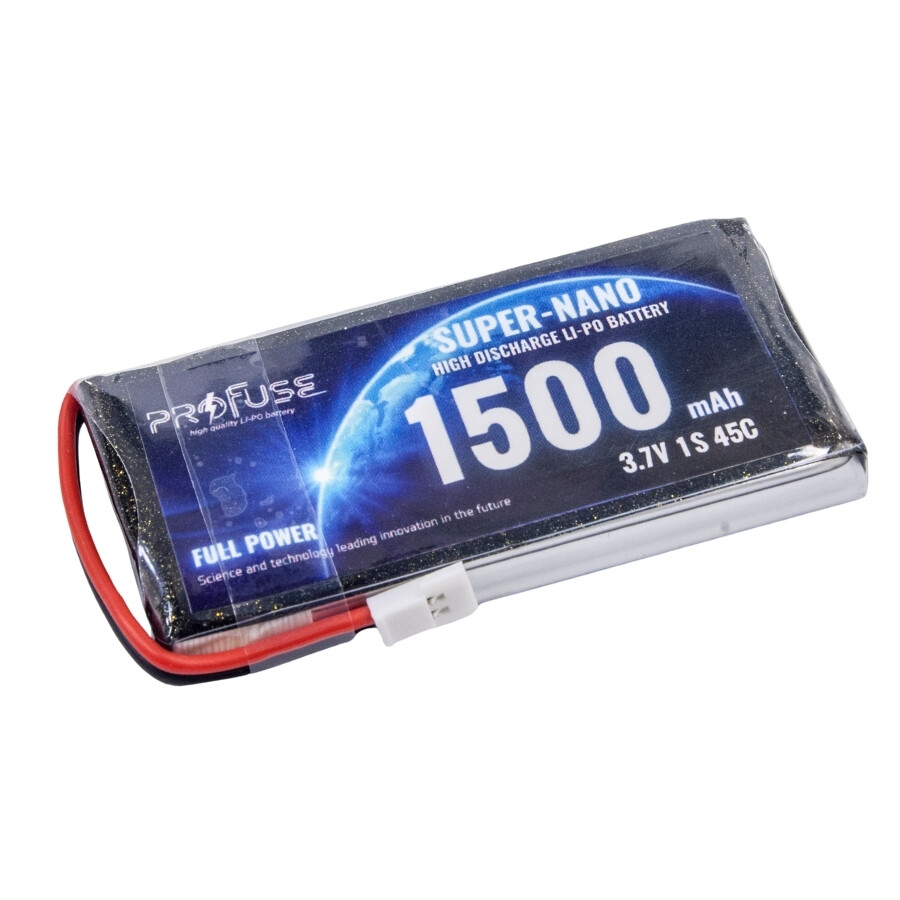
Li-Po batteries, on the other hand, contain polymer-based gel electrolyte and feature a thin, lightweight, flexible pouch structure. This provides a significant advantage in drone and robotics projects where compact form factors are required.
2. Safety and Durability
Li-ion Safety
Li-ion batteries are safer against impacts thanks to their metal casing. The risk of swelling or puncture is lower. They operate quite stably when used with proper charging circuits.
Li-Po Safety
Although Li-Po batteries offer high performance, they are more sensitive to punctures and overloading. Swelling may occur due to improper charging, excessive discharge, or drawing high current. Therefore, they are generally used with balancing chargers.
3. Current Capacity and C Rating
Current delivery capability is particularly critical for drone and robotic systems.
Li-ion
They typically provide continuous current between 2A–10A, making them ideal for medium-power applications.
Li-Po
One of the strongest advantages of Li-Po batteries is their ability to deliver sudden high current thanks to their high C rating. For this reason, Li-Po drone batteries are widely used.
4. Energy Density and Weight
Li-ion Energy Density
They can store more energy in the same volume. Therefore, they are preferred in devices that require long-term use such as laptops, power banks, and flashlights.
Li-Po Weight Advantage
Li-Po batteries are much lighter. This weight advantage offers significant benefits in drones and mobile robotic projects.
5. Lifespan and Charge Cycle
Li-ion Cycle Life
They typically last between 500–1500 cycles. Thanks to their stable chemistry, lithium-ion batteries can operate reliably for many years.
Li-Po Cycle Life
They generally last between 200–500 charge cycles. In high-performance projects, this cycle count may decrease further.
Which Battery Should Be Used in Which Projects?
Li-ion Usage Areas
- Powerbanks and portable chargers
- Electric scooters and bicycles
- Laptop batteries
- Industrial devices
- Robotic arms and IoT devices
Li-Po Usage Areas
- Drones and RC vehicles
- Mini robot projects
- Model airplanes and helicopters
- Wearable electronic devices
- Projects requiring thin and lightweight designs
Example Battery Types Available on Motorobit
Motorobit offers a wide range of both Li-ion and Li-Po battery products. For example:
- 3S Li-Po battery options (suitable for drone use)
- 18650 Li-ion cells (for projects requiring high capacity and safety)
- Li-Po 1S mini batteries (for wearable technology)
- BMS boards and protection circuits (for Li-ion battery packs)
Conclusion
Li-ion and Li-Po batteries are two powerful battery types designed for different needs. If you want longer lifespan and safety, Li-ion batteries are the better choice. If you need lightweight structure and high performance, Li-Po batteries will be more suitable. To ensure efficient operation in electronic and robotic projects, the correct battery type should be selected according to the project’s requirements.
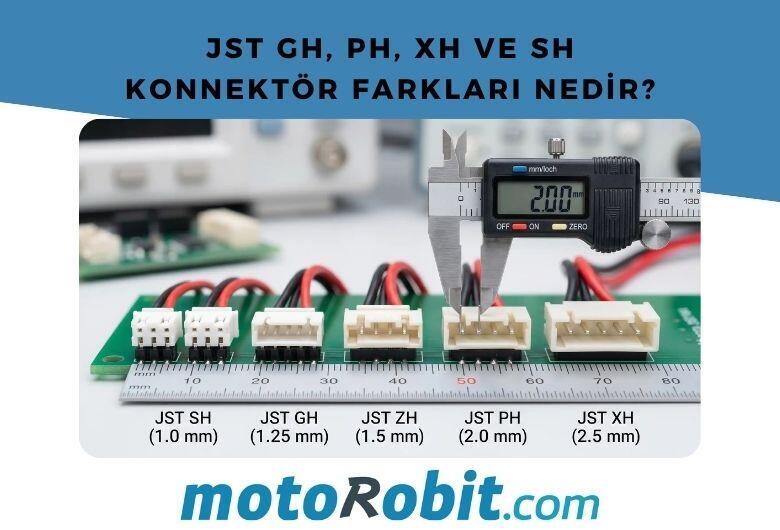
JST GH vs PH vs XH vs SH Connectors: Differences
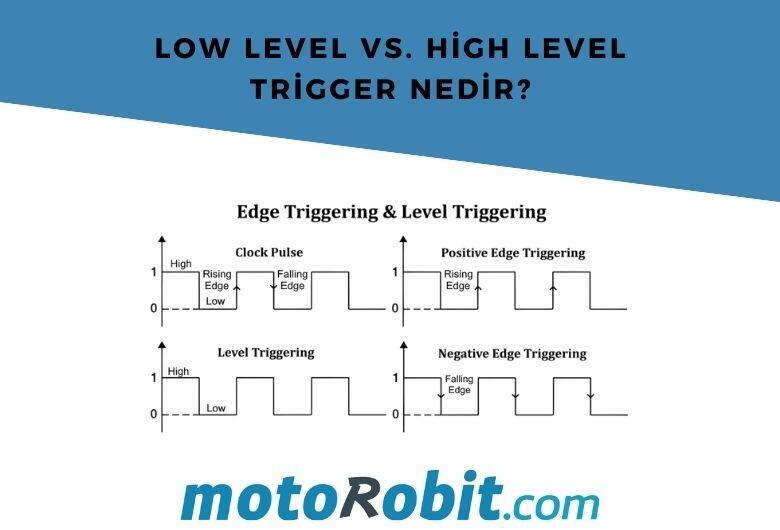
Low Level vs. What is High Level Trigger?
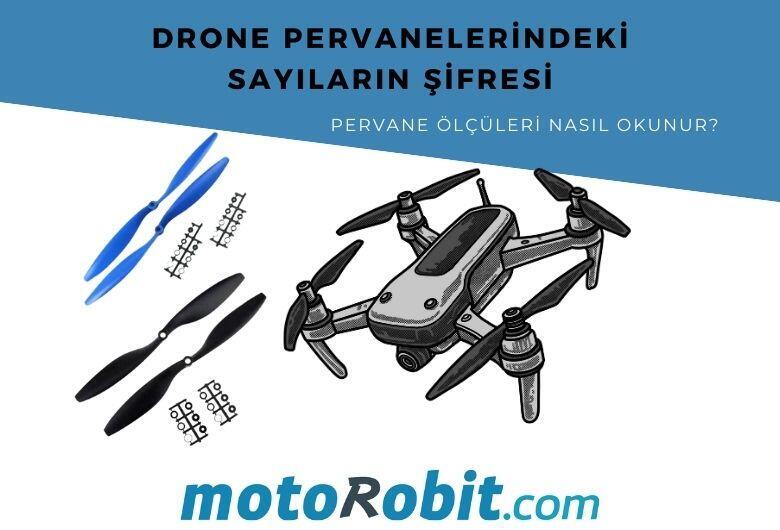
The Code of Numbers on Drone Propellers: How to Read Propeller Measurements?
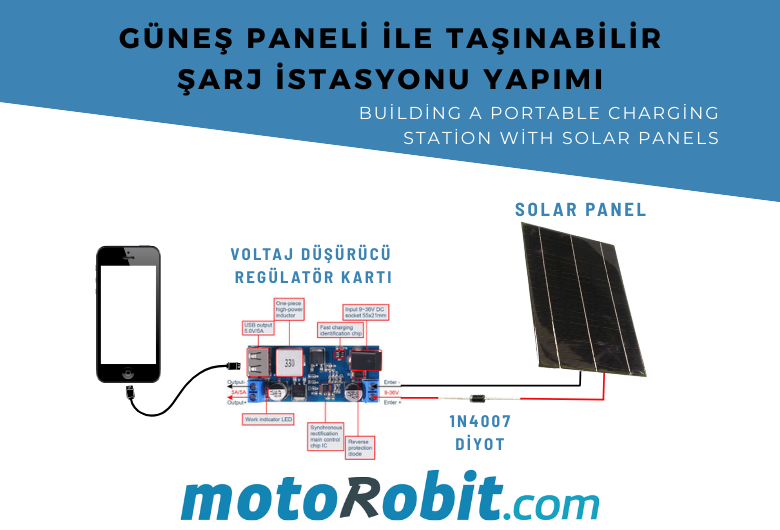
Building a Portable Charging Station with Solar Panels
Differences Between Li-ion and Li-Po Batteries: Which Battery is Suitable for Which Project?