.png)


JST GH vs PH vs XH vs SH Connectors: Differences
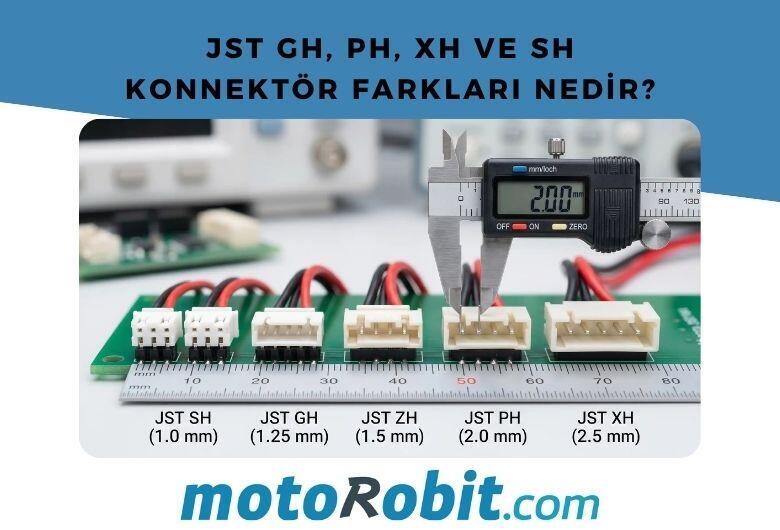
JST connectors are among the most commonly used connection components in electronic projects. They are widely used in applications ranging from robotics systems and 3D printers to drone flight controllers and industrial automation equipment. However, because the JST family includes several different series such as GH, PH, XH, and SH, users often find it difficult to determine which connector is best suited for their application.
In this guide, we will take a detailed look at the key features, pin pitches, applications, and differences between JST GH, PH, XH, and SH connector series.
What Is a JST Connector?
JST (Japan Solderless Terminal) is a Japanese manufacturer specializing in electronic connectors and interconnect solutions. Over time, its connector series have become industry standards across a wide range of electronic applications.
JST connectors offer several advantages:
- Compact design
- Excellent vibration resistance
- Reliable electrical connections
- Available in a wide range of pin counts
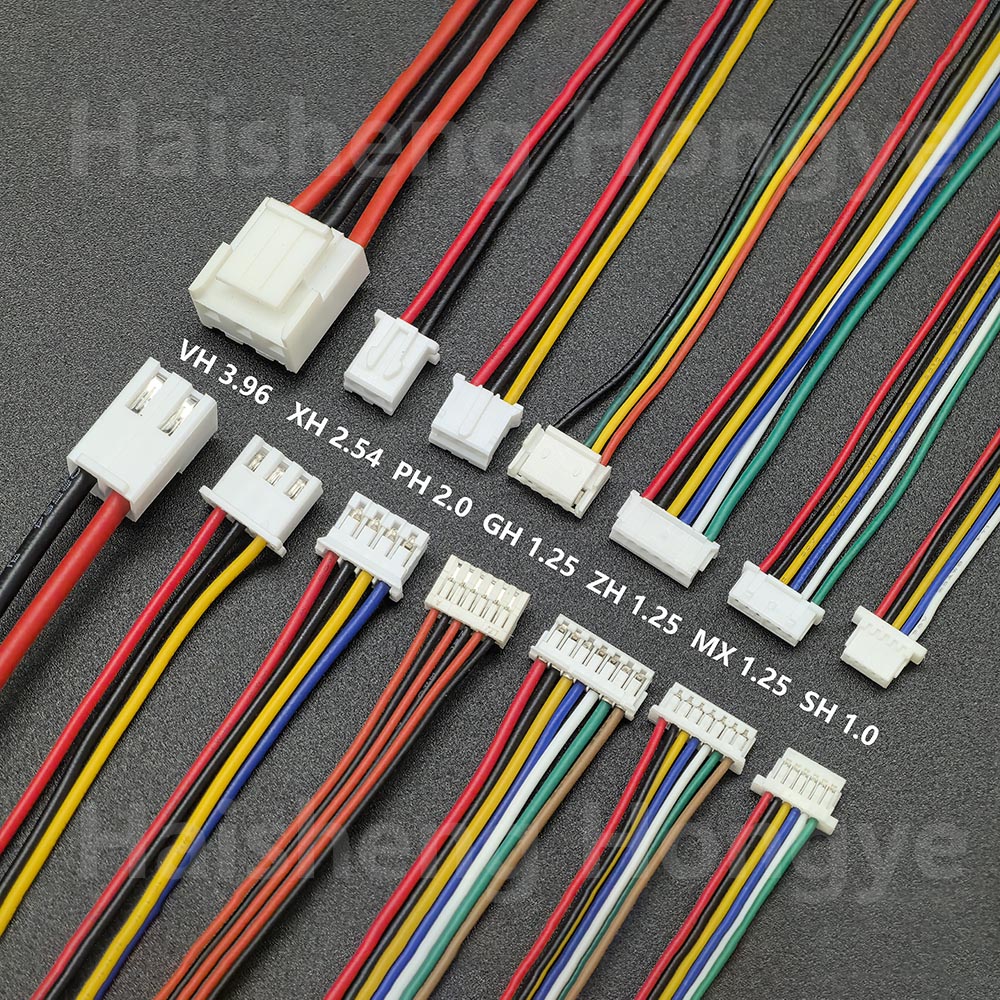
JST GH, PH, XH, and SH Comparison Table
| Series | Pin Pitch | Size | Typical Applications |
| JST SH | 1.0mm | Very Small | Drones, Camera Modules |
| JST GH | 1.25mm | Small | Pixhawk, Drones, Robotics |
| JST PH | 2.0mm | Medium | Battery Connections |
| JST XH | 2.54mm | Large | Arduino and General Electronics |
As the pin pitch decreases, the connector becomes more compact, but soldering and assembly require greater precision.
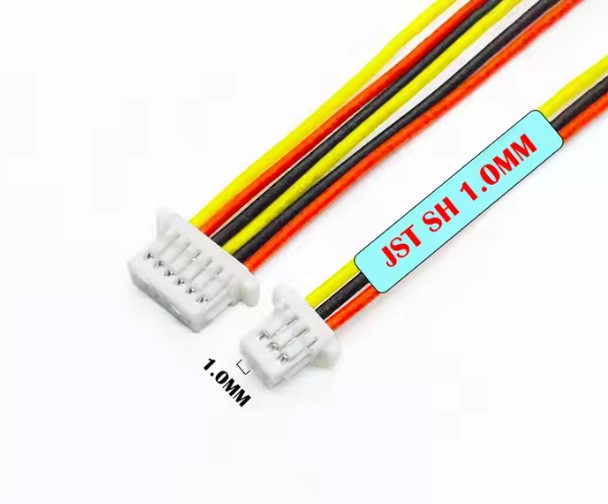
What Is a JST SH Connector?
The JST SH series features a pin pitch of just 1.0 mm.
Advantages:
- Extremely compact design
- Lightweight construction
- Ideal for small PCB designs
Applications:
- FPV drone systems
- Camera modules
- Miniature sensor boards
- Wearable electronics
The SH series is one of the smallest connector families in the JST lineup.
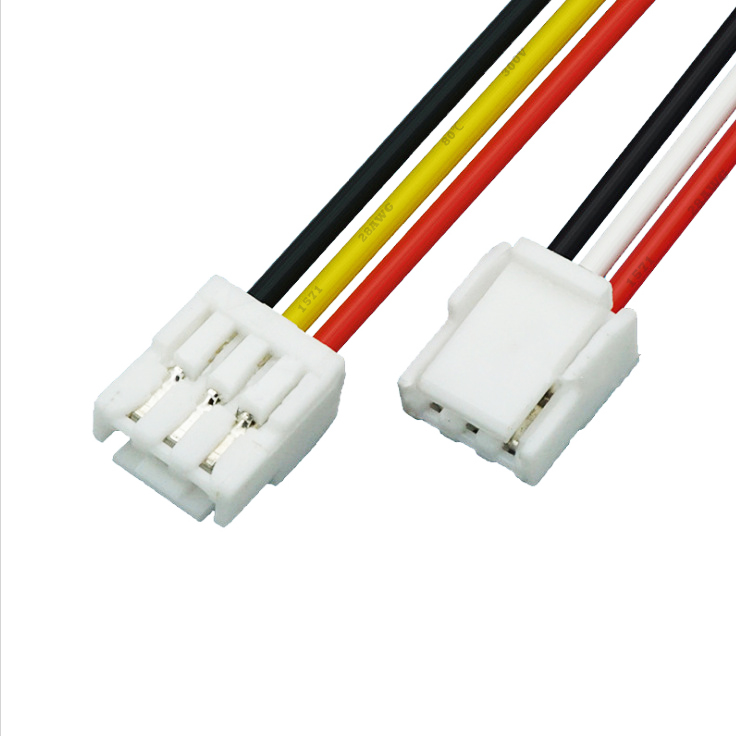
What Is a JST GH Connector?
The JST GH series has a pin pitch of 1.25 mm.
It is widely used in drones and flight controller systems.
Advantages:
- Compact design
- Secure connection thanks to its locking mechanism
- High durability in vibration-intensive environments
Applications:
- Pixhawk flight controllers
- Drone systems
- Robotics projects
- Industrial sensor connections
In recent years, the JST GH series has become particularly popular in autonomous systems and UAV applications.
What Is a JST PH Connector?
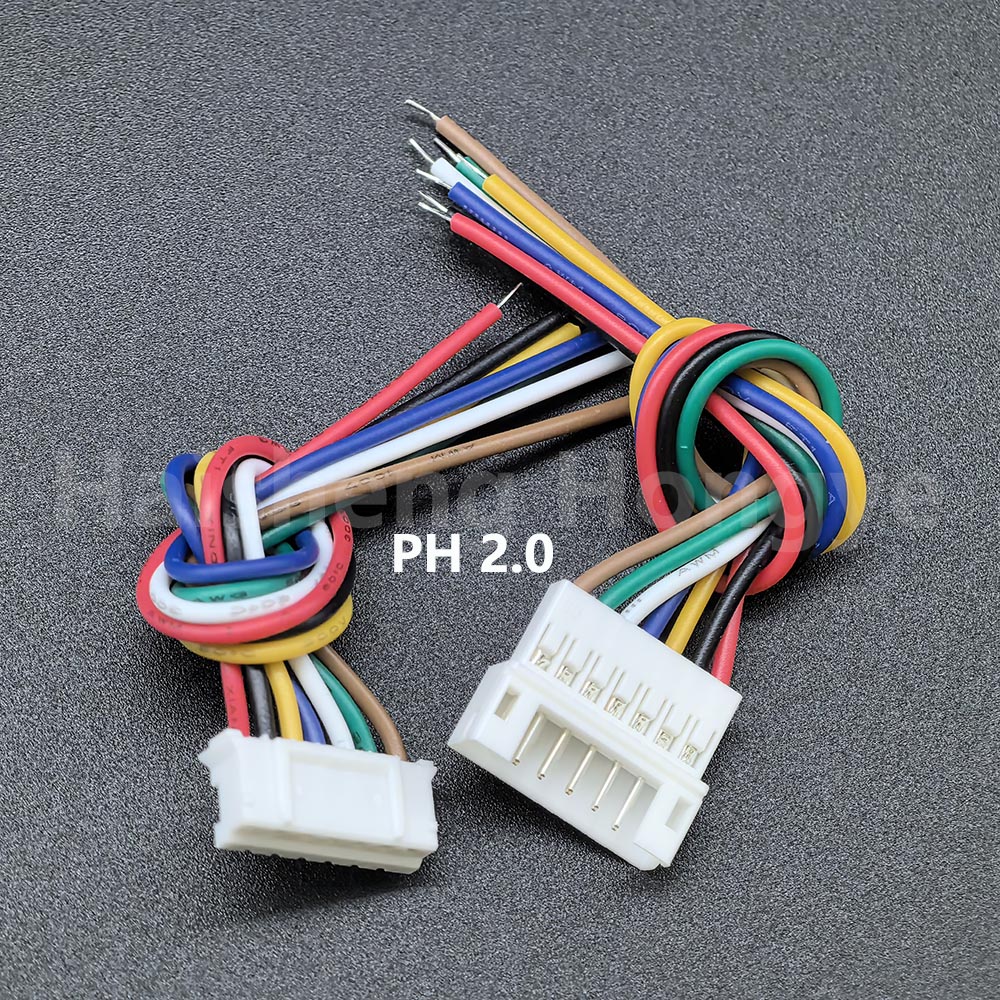
The JST PH series uses a 2.0 mm pin pitch.
Compared to the GH series, it is larger and easier to assemble.
Advantages:
- Robust construction
- Easy soldering and assembly
- Suitable for battery connections
Applications:
- LiPo batteries
- Battery charging circuits
- Portable electronic devices
- Robotics projects
The PH series is commonly found in hobby electronics and portable devices.
What Is a JST XH Connector?
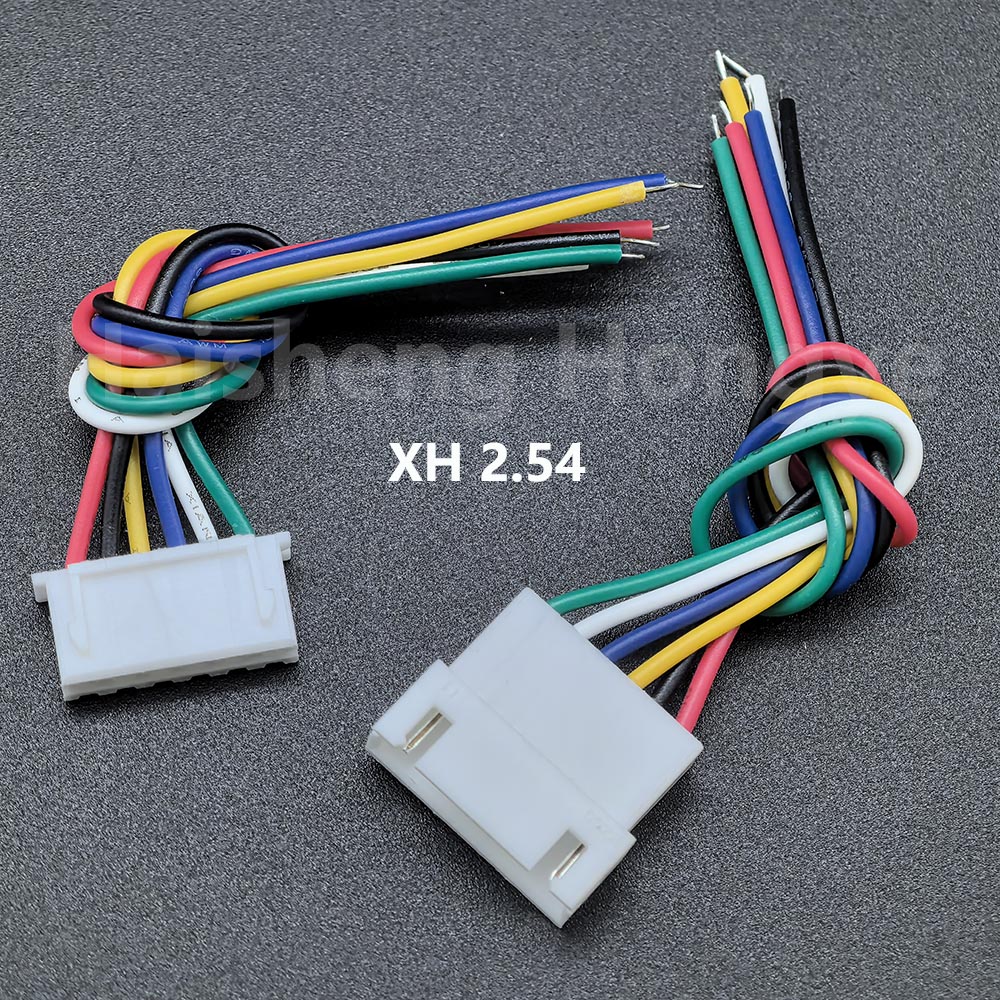
The JST XH series features a 2.54 mm pin pitch.
This spacing closely matches the standard pitch commonly used in Arduino and breadboard applications.
Advantages:
- Easy installation
- Cost-effective solution
- Widely available worldwide
Applications:
- Arduino projects
- CNC machines
- Power connections
- Industrial control boards
The XH series is one of the easiest JST connector families for beginners to work with.
Which JST Connector Should You Choose?
Consider the following factors when selecting a JST connector:
If Space Is Limited
Choose SH or GH connectors.
For High-Vibration Environments
The GH series provides a more secure connection.
For Battery Connections
The PH series is the most common choice.
For General Electronics and Arduino Projects
The XH series is usually the most practical option.
Conclusion
Although JST SH, GH, PH, and XH connectors may appear similar, they differ significantly in size, pin pitch, and intended applications.
For compact designs, SH and GH connectors are often the preferred choice, while PH and XH connectors are better suited for easier assembly and general-purpose applications. When selecting the right JST connector, be sure to consider your project's size constraints, operating environment, and electrical requirements.
How to Check Voltage, Amperage, and Connector Polarity When Choosing an Adapter?
How to Use the ST750E 750W Digital AC 3-Phase Motor Speed Control Module?
JST GH vs PH vs XH vs SH Connectors: Differences
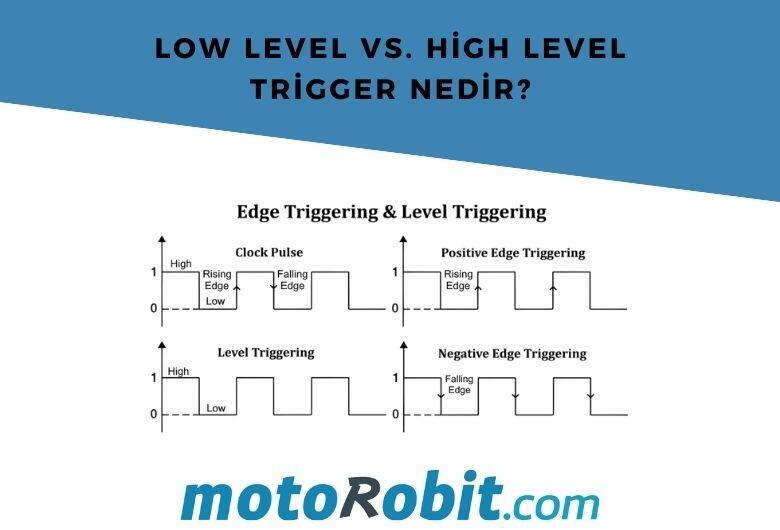
Low Level vs. What is High Level Trigger?
The Code of Numbers on Drone Propellers: How to Read Propeller Measurements?