.png)


The Code of Numbers on Drone Propellers: How to Read Propeller Measurements?
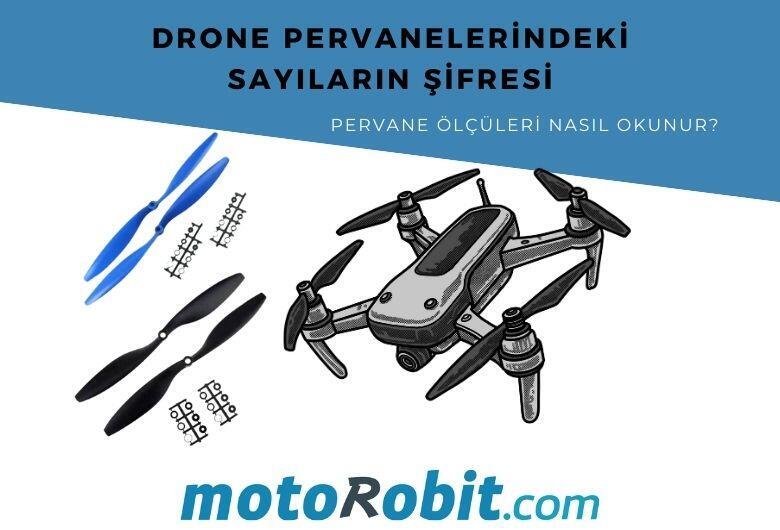
General Rule: Two Main Variables
The numbers printed on a propeller usually consist of two main values written side by side. This format may appear as 90x45 or sometimes as 9045.
1. First Part: Diameter
The first numbers in the sequence represent the propeller’s tip-to-tip length. The unit is almost always in inches.
Large Diameter: Pushes more air, lifts more weight, but puts more strain on the motor.
Small Diameter: Spins faster (high RPM) and provides more agile maneuvering.
2. Second Part: Pitch
The last numbers represent the propeller’s pitch.
Simple Definition: The theoretical distance the propeller would travel forward in one full rotation (360°) through the air.
Low Pitch: Like a low gear. High torque, easier control, but limited top speed.
High Pitch: Like a high gear. Provides more speed and aggressive performance, but increases battery consumption.
Example Breakdown: What Does 9045 Mean?
Now let’s apply what we’ve learned to a popular size: 9045. We split this number into two parts: 90 and 45.
| Code | Meaning | Value |
| 90 | Diameter | 9.0 Inches |
| 45 | Pitch | 4.5 Inches |
Technical Characteristics of 9045:
Frame Compatibility: This propeller is generally ideal for mid-sized drones in the 450mm class (such as the F450).
Lift Capacity: With its 9-inch diameter, it has enough surface area to lift heavier camera equipment or larger batteries.
Flight Feel: A 4.5-inch pitch is considered a “sweet spot” for drones in this class. It feels neither as aggressive as a racing drone nor as sluggish as a heavy-lift drone. It is one of the most preferred ratios for stable video recording.
Small Tip: If your propeller says 9045R or 9045C (Clockwise), the letter "R" indicates that the propeller should rotate clockwise. Drones always use two clockwise and two counterclockwise propellers!
In Summary
When choosing a propeller, remember the logic: "Bigger first number = More power, second number = More speed". However, always make sure your motor has the capacity (KV rating) to handle that power.
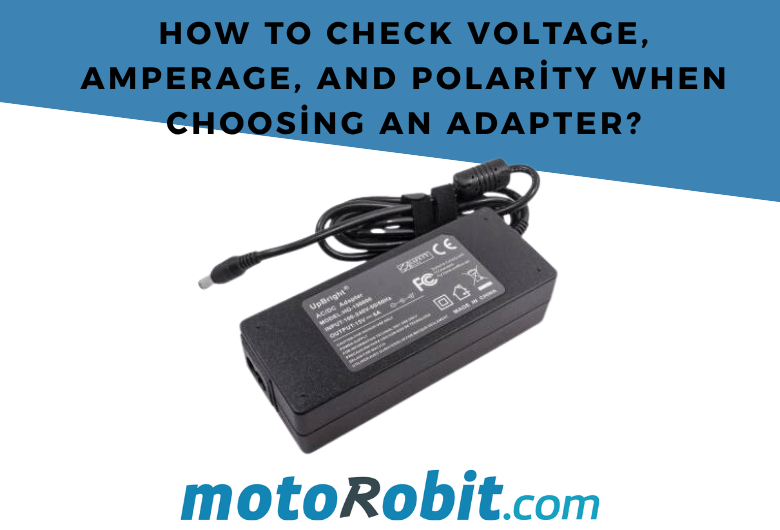
How to Check Voltage, Amperage, and Connector Polarity When Choosing an Adapter?
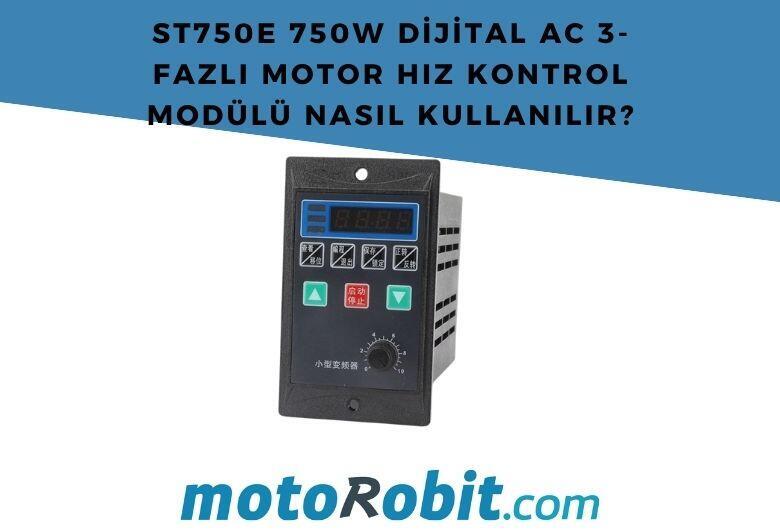
How to Use the ST750E 750W Digital AC 3-Phase Motor Speed Control Module?
JST GH vs PH vs XH vs SH Connectors: Differences
Low Level vs. What is High Level Trigger?
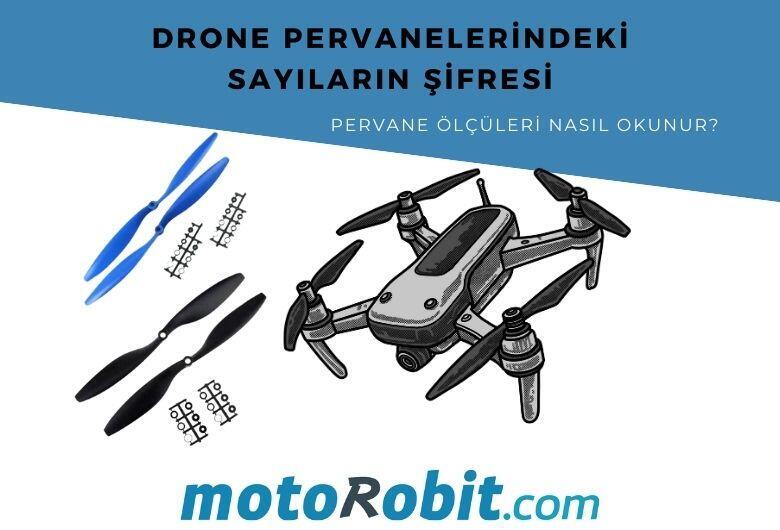
The Code of Numbers on Drone Propellers: How to Read Propeller Measurements?